
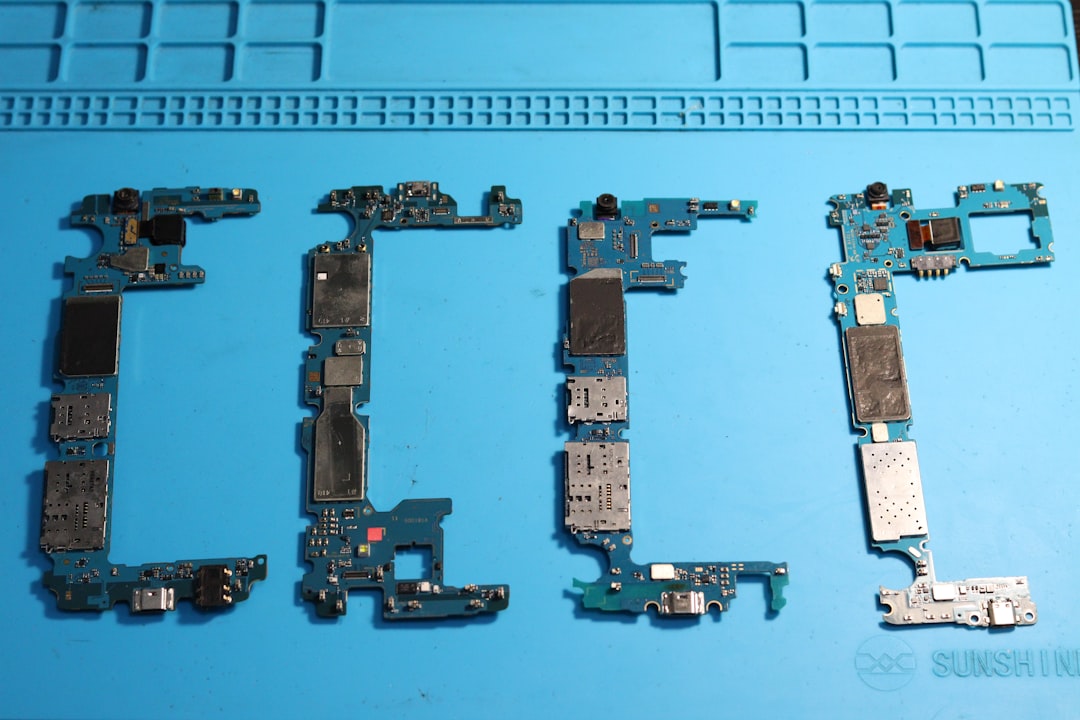
Mastering Sensor Alignment and Repair: A Step-by-Step Guide to Precision
In the world of technology, precision is paramount. Whether you’re working with automotive sensors, industrial machinery, or even consumer electronics, the alignment and repair of sensors can make or break the functionality of the entire system. This article will guide you through the intricacies of sensor alignment and repair, ensuring that you can tackle these tasks with confidence and expertise.
Sensor alignment refers to the process of adjusting sensors to ensure they are positioned correctly to capture accurate data. Misaligned sensors can lead to erroneous readings, which can have significant repercussions, especially in critical applications like automotive safety systems or industrial automation. Repairing sensors, on the other hand, involves diagnosing issues and restoring them to optimal working condition. Both processes require a methodical approach and a keen understanding of the technology involved.
### Understanding the Importance of Sensor Alignment
Before diving into the practical steps, it’s essential to understand why sensor alignment is crucial. Sensors are designed to detect specific parameters, such as temperature, pressure, or motion. If they are not aligned correctly, the data they provide can be skewed, leading to poor decision-making and potential safety hazards. For instance, in an automotive context, a misaligned speed sensor could result in inaccurate speed readings, affecting the vehicle’s performance and safety features.
### Tools and Equipment Needed
To effectively align and repair sensors, you’ll need a few essential tools:
1. **Calibration tools**: These can include multimeters, oscilloscopes, or specialized calibration devices specific to the type of sensor you are working with.
2. **Alignment jigs or fixtures**: These help ensure that sensors are positioned correctly during the alignment process.
3. **Basic hand tools**: Screwdrivers, wrenches, and pliers will be necessary for any physical adjustments.
4. **Diagnostic software**: For electronic sensors, having the right software can help you diagnose issues and perform necessary calibrations.
### Step-by-Step Plan:
Step 1: Gather all necessary tools and equipment before starting the alignment or repair process.
Step 2: Identify the sensor type and consult the manufacturer’s specifications for alignment procedures.
Step 3: Use calibration tools to check the current alignment and diagnose any issues.
Step 4: Make adjustments as needed, then test the sensor to ensure it is functioning correctly.
### Step 1: Preparation
Start by gathering all your tools and equipment. Ensure that you have a clean workspace to avoid any contamination or damage to the sensors. Familiarize yourself with the specific sensor you are working on by reviewing the manufacturer’s manual. This will provide you with essential information regarding the sensor’s specifications and alignment requirements.
### Step 2: Diagnosis
Using your calibration tools, check the sensor’s current alignment. This may involve measuring output signals or comparing readings against known standards. If the sensor is misaligned, you will need to determine the extent of the misalignment and identify any underlying issues that may require repair.
### Step 3: Alignment
Once you have diagnosed the problem, it’s time to make adjustments. If the sensor is physically misaligned, use alignment jigs or fixtures to reposition it accurately. For electronic sensors, you may need to adjust settings through diagnostic software. Ensure that all connections are secure and that there are no obstructions affecting the sensor’s performance.
### Step 4: Testing
After making the necessary adjustments, it’s crucial to test the sensor to confirm that it is functioning correctly. Monitor the output readings and compare them to expected values. If the sensor is still not performing as expected, you may need to revisit the diagnosis step to identify any additional issues.
### Conclusion
Sensor alignment and repair are critical processes that require attention to detail and a systematic approach. By following this step-by-step guide, you can ensure that your sensors are accurately aligned and functioning optimally. Remember, the precision of your sensors directly impacts the performance of the entire system, so take the time to do it right. With practice, you’ll become proficient in sensor alignment and repair, enhancing your skills and contributing to the reliability of the technology you work with.